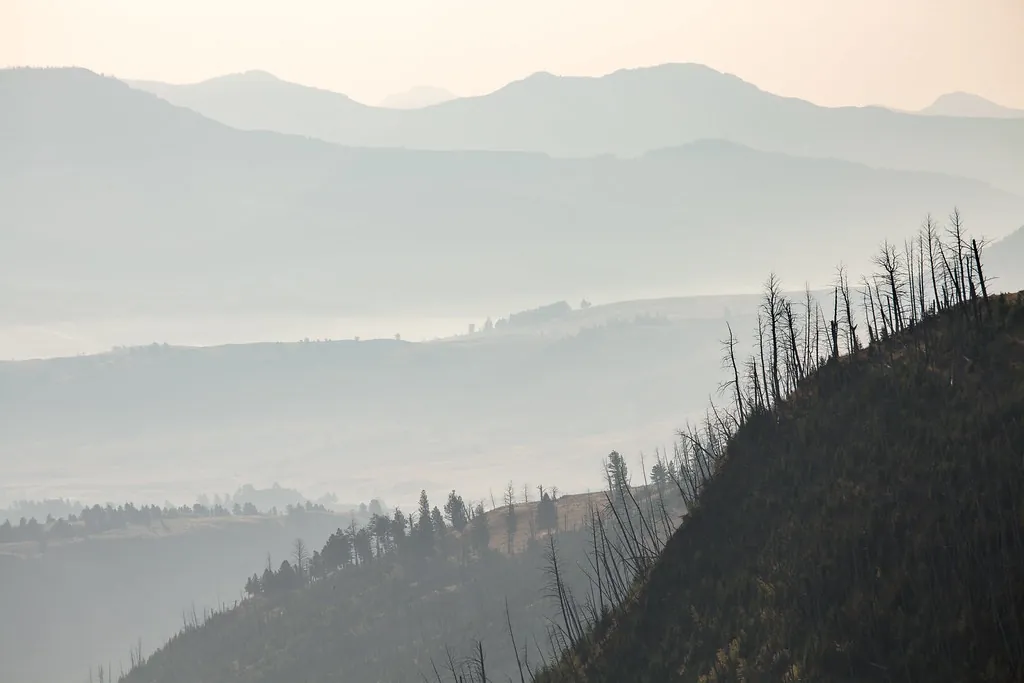
When a wildfire burns near a Utah neighborhood, the homes that didn’t burn can still be damaged. Smoke, soot and ash work their way into HVAC systems, insulation, carpet and furniture. These claims are common and frequently underpaid.
Signs of smoke damage
- Persistent smoke odor inside the home
- Soot or discoloration around vents, outlets and windows
- Ash on roofs, decks, gutters and in landscaping
- Dirty HVAC filters and ductwork
- Residue on soft goods such as curtains, bedding and clothing
What to document
Photograph soot and ash, save air filters and keep records of evacuation orders and fire perimeters. Professional testing by an industrial hygienist or environmental lab can identify smoke particles and support the cleaning scope.
Where estimates fall short
- Cleaning limited to a few rooms instead of the whole home
- No HVAC cleaning or filter replacement
- Soft goods and contents left out
- No sealing or deodorization of framing and attic spaces
- Exterior cleaning of siding, decks and roofs ignored
Next steps
Report the claim promptly, document thoroughly and request the carrier’s full estimate. If it falls short, an estimate review or wildfire claim appraisal can help close the gap.