Winter is a claim season in Utah
The 2022–23 winter brought record snowpack to much of northern Utah. Roofs in Park City, Heber, Logan and the Ogden Valley carried loads for months. Carports, patio covers, decks and older flat roofs failed, and ice dams sent meltwater into ceilings across the Wasatch Front. Each winter brings some version of the same story.
Three kinds of winter claims
- Snow load. Sagging ridges, cracked trusses and rafters, collapsed carports and outbuildings, and interior cracking from deflection.
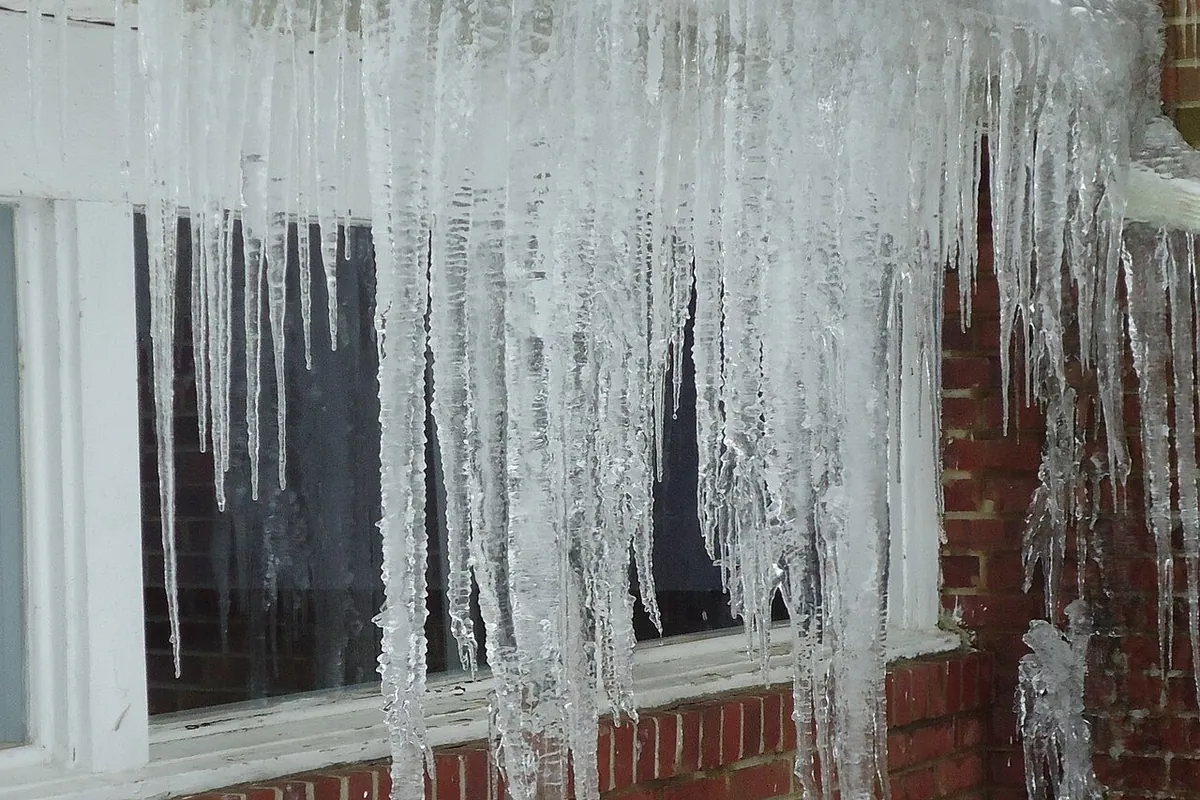
- Ice dams. Water backing up under shingles at the eaves, staining ceilings and soaking insulation and wall cavities.
- Freeze. Burst supply lines and sprinkler pipes, frequently in unoccupied cabins, rentals and commercial spaces.
Where winter claims get underpaid
Hidden damage is the theme. Wet insulation, swollen subfloor, mold-prone wall cavities and structural framing all need to be opened and documented. Estimates written before demolition often miss them. Snow-load damage may also call for an engineer’s report, which should be part of the valuation.
Estimate the load
Our roof snow load estimator converts snow depth and type into pounds per square foot, a useful way to show what a roof was carrying on the date of loss.
Frequently asked questions
Is ice-dam damage covered?
Interior water damage caused by ice dams is often covered, while the ice dam itself and related maintenance may not be. Wording varies, so read your policy’s exclusions.
My cabin pipes burst while it was empty. Can appraisal help?
If the carrier accepts coverage and disputes the cost, appraisal can help. If the carrier denies coverage over vacancy or heat, that’s a coverage dispute to discuss with an attorney.
What is the date of loss for snow-load damage?
Usually the date the structure failed or the damage first appeared. Weather records for your location help pin it down.